
Turn textile challenges into decisions you can feel confident about.
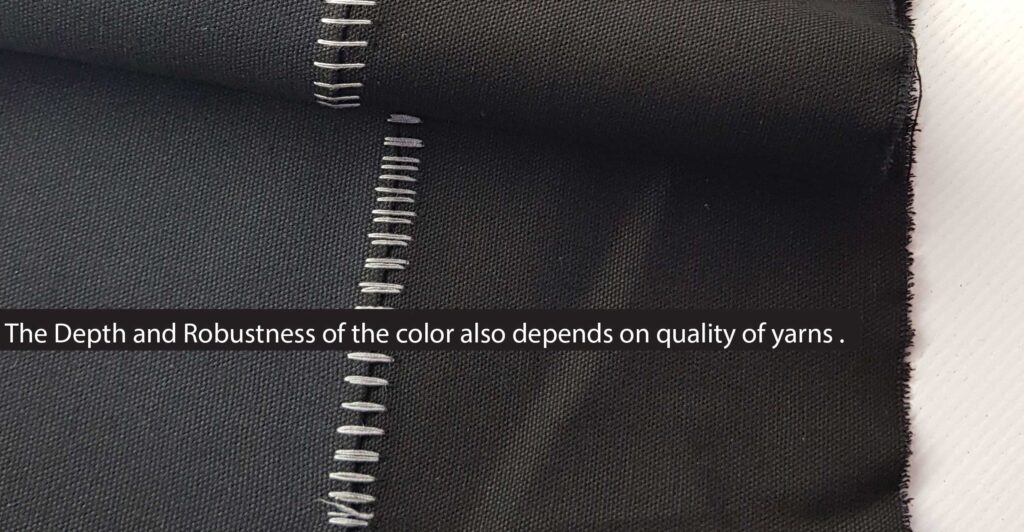
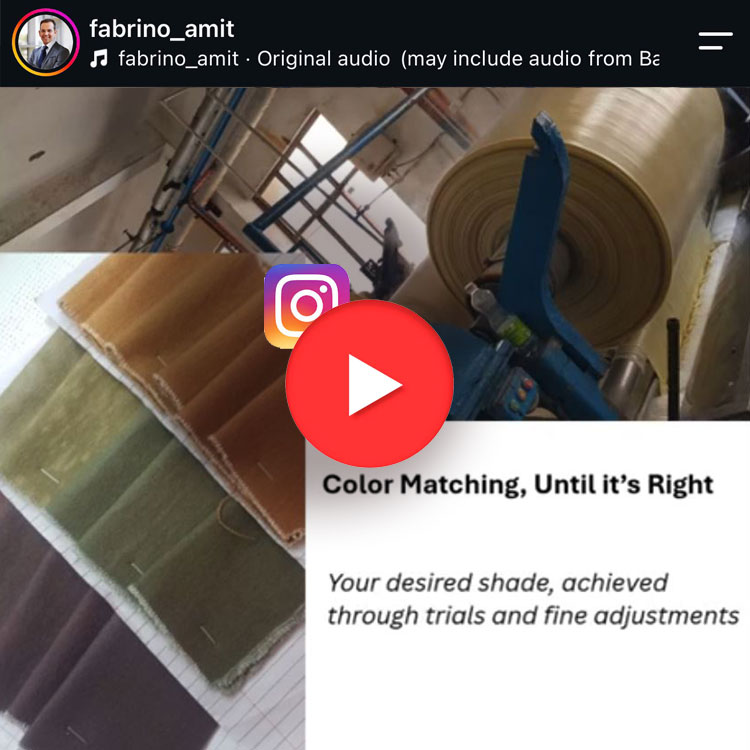
A colour reference provides useful direction, but the same colour can appear different depending on:
Fabric construction, Fibre composition, Absorbency, Fabric preparation, Dyeing process, Finish, Surface character etc
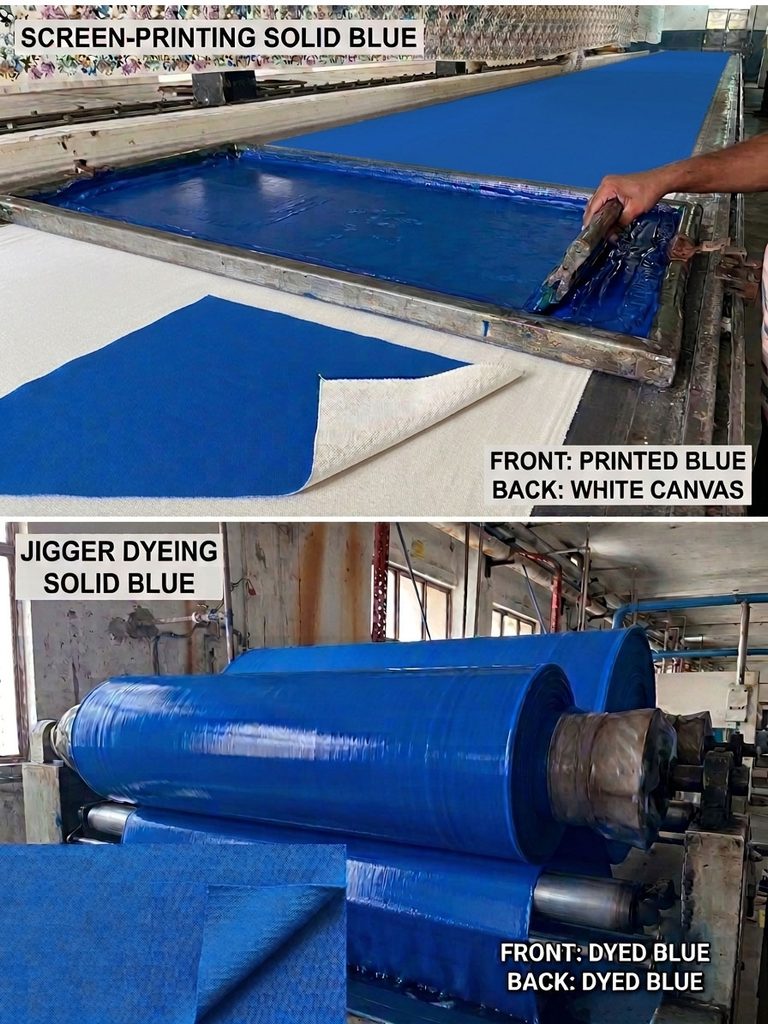
Small Quantity Does Not Always Mean One Process
When you need a small development, we may have more than one possible route.
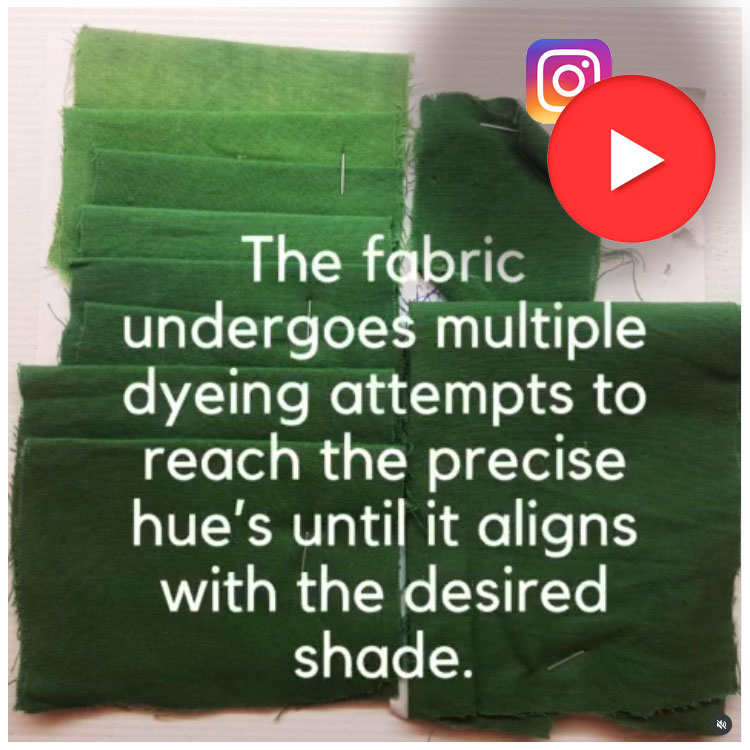
Surface Padding
For certain developments, Surface Padding can provide a more economical way to create an initial visual or product-development sample in any specific shade required.
It can be useful when the primary objective is to evaluate the appearance or general direction of the fabric.
However, depending on the requirement, there may be limitations in shade depth, reverse-side appearance or repetition/processing characteristics.
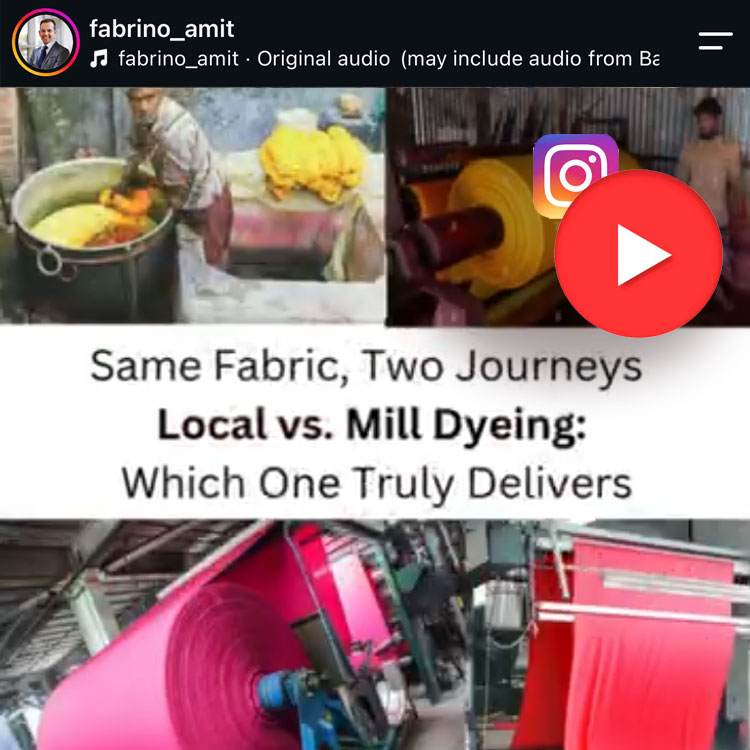
Mill Dyeing
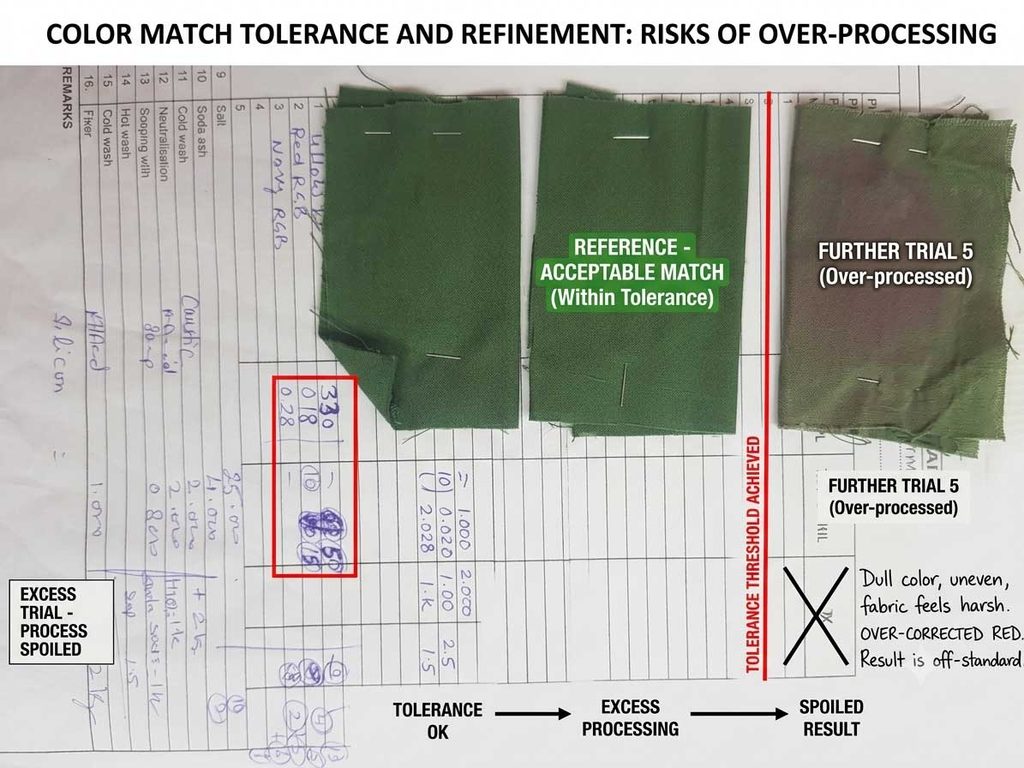
Where closer colour accuracy, consistency or production-level representation is important, Mill Dyeing may be more appropriate.
Small quantities through this route can carry a higher cost because of setup, processing and wastage.
The right development route depends on what you need to evaluate.

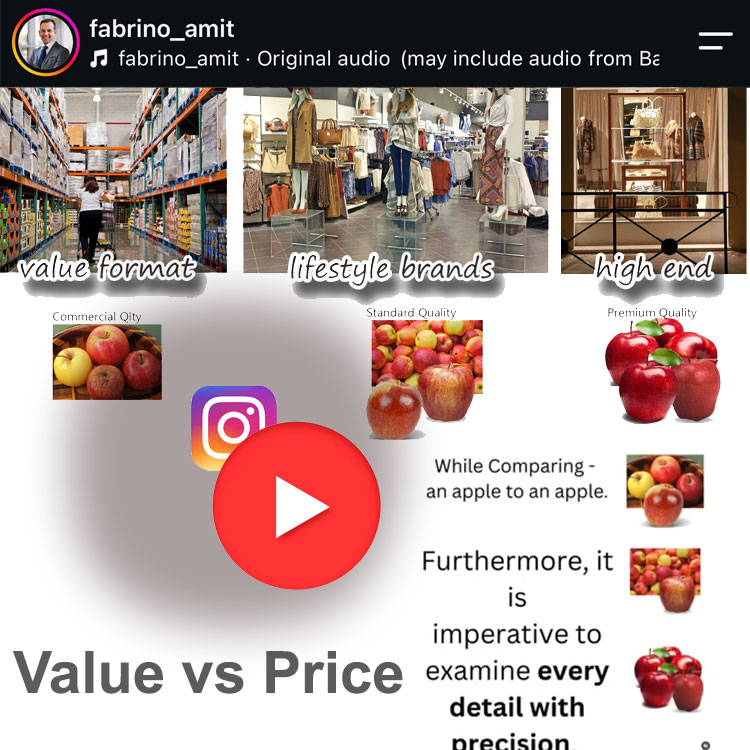
Similar Looking Doesn’t Always Mean Equivalent
Make decisions based on value, not price alone.
Two fabrics may look almost identical differ considerably in:
Yarn + Construction + GSM + Density + Finish + Performance
Quality consistency, construction, colour, finishing, reliability, communication, wastage, rejection and service can all influence the actual value of a textile purchase.
A lower price does not necessarily mean a lower total cost
Click to know the details
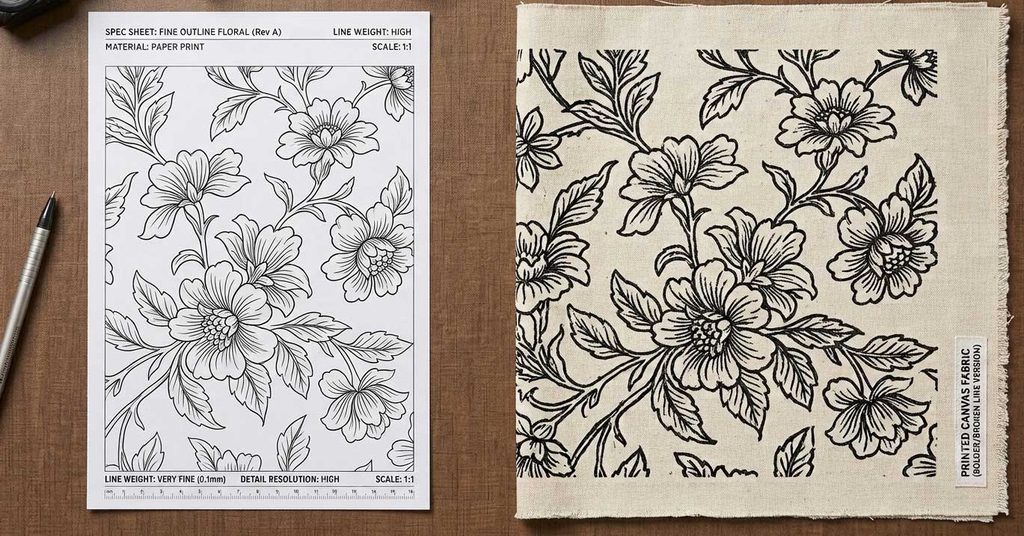
A Beautiful Sample Is Not Necessarily a Production-Ready Fabric
A development sample may look excellent, but production introduces additional considerations:
Consistency + Repeatability + Quantity + Process + Cost + Availability
A good development should therefore be evaluated not only for how it looks, but also for whether it can be reliably produced at the intended quantity.
Be understood for what you need—not just what you ask for.
Get more than a fabric—get the expertise behind it.
The “Right” Fabric Is a Balance
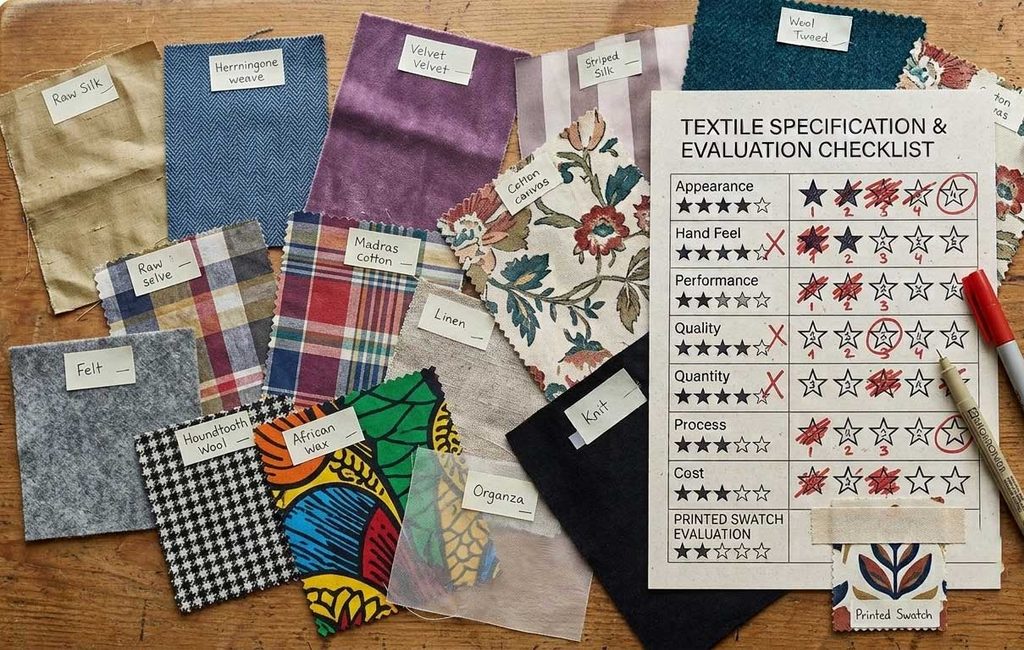
There is rarely one specification that solves everything.
A successful textile requirement often involves balancing:
Appearance
Hand Feel
Performance
Quality
Quantity
Process
Cost
Commercial Feasibility
Changing one element can sometimes affect another.
Reduce your sourcing worries with a professional,
dependable textile partner.
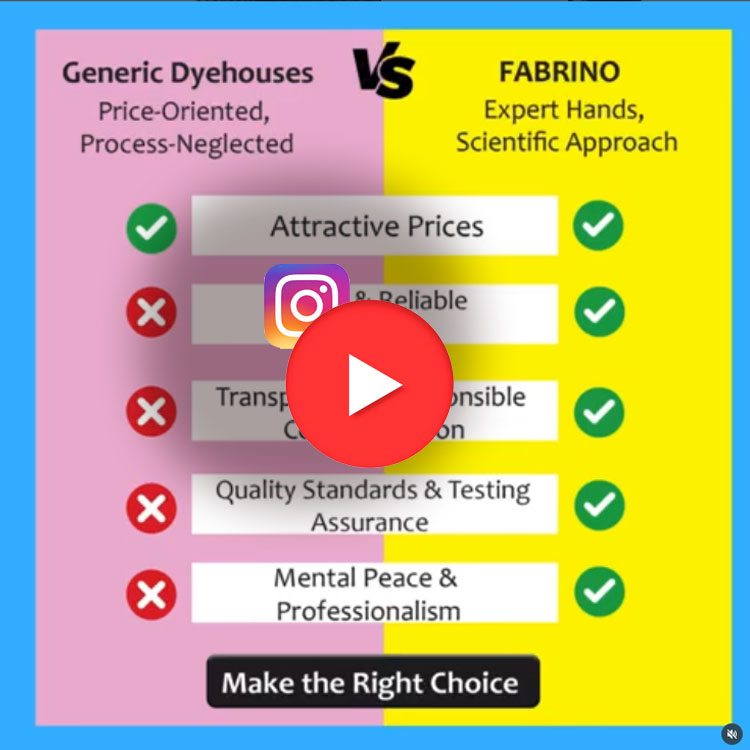
Expertise Makes a Difference
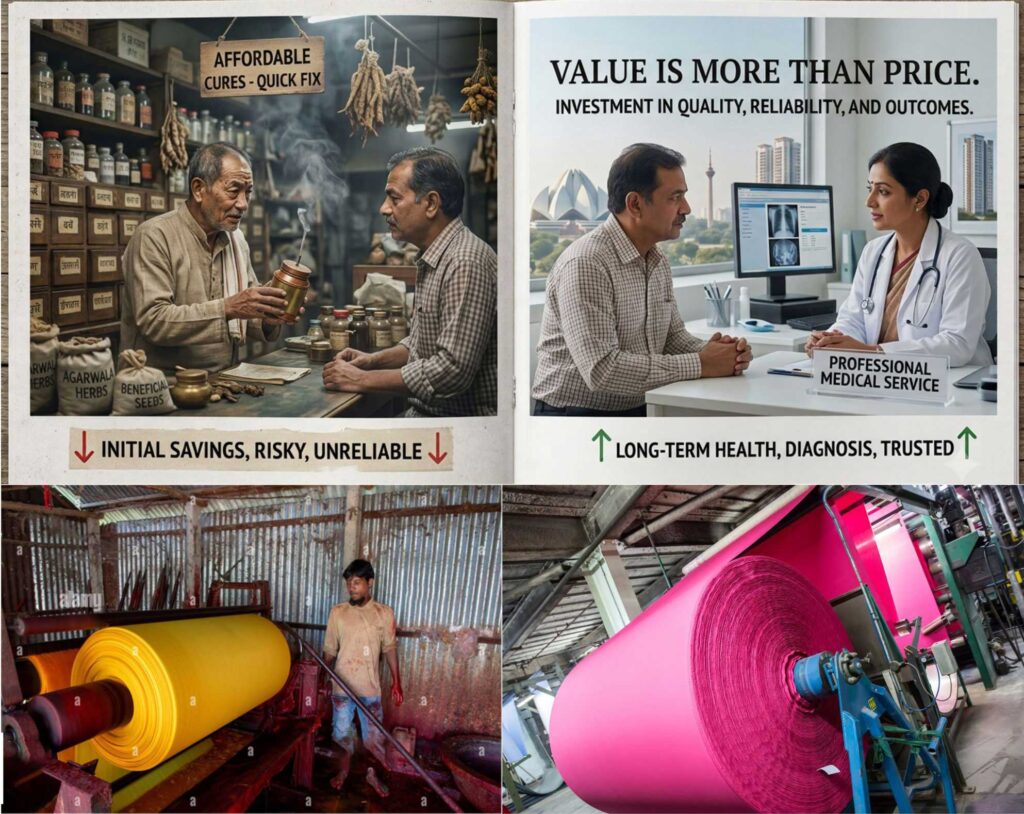
Like a qualified doctor and an unqualified practitioner….
To a Professional Set-up and an unorganised dyer…..
Two suppliers may offer similar fabrics or services, yet their technical understanding, manufacturing experience, range of capabilities, attention to detail and approach to responsibility may be quite different.
A thoughtful choice considers not only what is being offered, but also the expertise and responsibility behind it.
Small Quantities. Big Expectations.
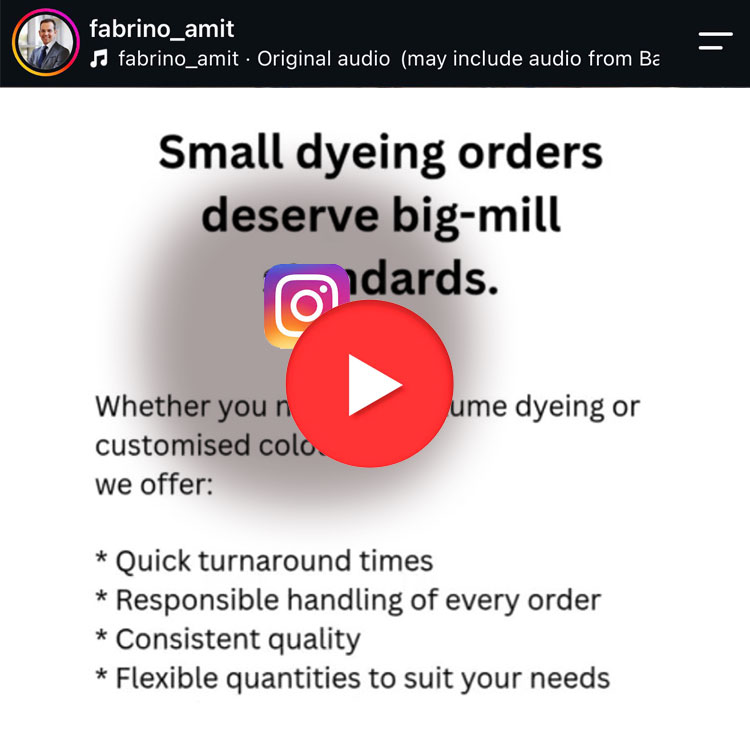
In the textile industry, one of the biggest challenges is sourcing fabric in smaller quantities without sacrificing quality, consistency, or reliability.
Large textile mills are typically geared towards high-volume production, often making smaller buyers feel overlooked. On the other hand, unorganized suppliers may offer flexibility, but quality standards, timelines, and technical expertise can become a gamble.
That’s where we come in.
Less chasing.
Less uncertainty.
More peace of mind.

Some Common Queries…..
Avoid costly surprises with clear communication from the start.
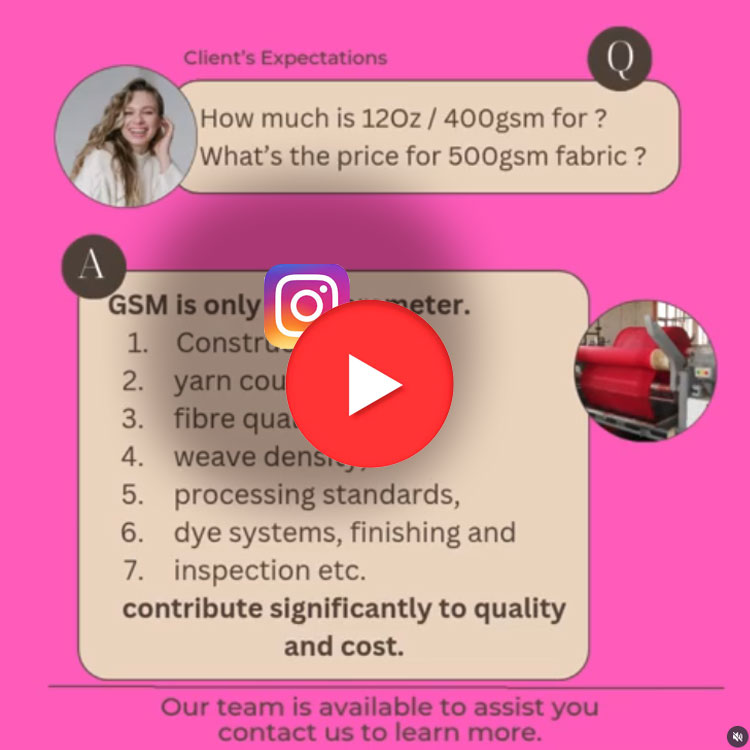


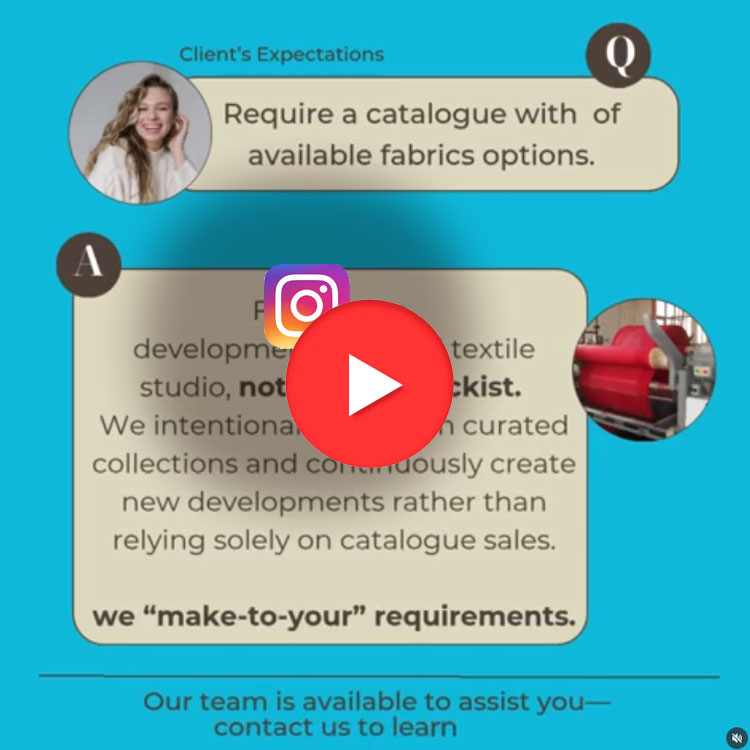




Have A Question to Ask ?
Discuss with our team →